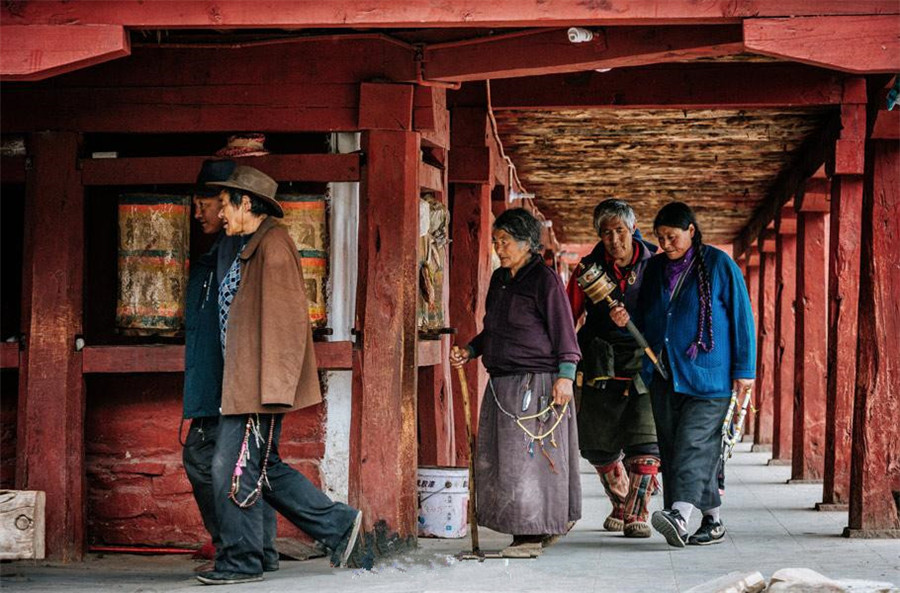
For many Tibetan families, seeking treatment for addiction or mental health challenges requires more than finding a local clinic. It often involves traveling across continents in search of comprehensive, compassionate, and culturally sensitive care. Canada has become a destination for those who need individualized recovery programs, combining professional addiction and mental health services with holistic and faith-based approaches. These journeys highlight resilience, hope, and the transformative power of care that addresses the mind, body, and spirit.
Why Tibetan Families Look Beyond Borders for Recovery
Addiction and mental health challenges affect every aspect of life. Limited access to specialized treatment, culturally relevant therapies, and comprehensive care can leave patients and families feeling frustrated or unsupported. For Tibetan families, seeking care abroad is often motivated by the desire for programs that understand their cultural values and offer holistic recovery options.
Canadian treatment centers provide:
- Personalized addiction recovery and mental health treatment
- Inpatient and outpatient programs tailored to different levels of care
- Holistic therapies including mindfulness, nutrition, and physical wellness
- Faith-based support integrated into individualized care plans
These features allow families to feel confident that their loved ones are receiving professional, compassionate, and culturally aware care.
Stories of Courage and Transformation
Finding Stability Through Inpatient Programs
One Tibetan family shared how their adult child struggled with severe alcohol dependency and co-occurring anxiety. Local treatment attempts had limited success, so they sought an inpatient program in Canada. The structured environment, daily therapy sessions, and holistic interventions helped the patient regain stability and develop coping strategies. Over time, the family witnessed renewed confidence and healthier communication patterns, showing the power of professional and structured care.
Maintaining Connection with Outpatient Care
Another story involves a parent balancing addiction recovery with family responsibilities. After completing an inpatient program, outpatient care allowed the patient to receive ongoing support while staying connected to loved ones. Therapy sessions emphasized relationship rebuilding, emotional regulation, and stress management, illustrating how outpatient programs can facilitate a smoother transition back into daily life while supporting long-term recovery.
Integrating Spiritual and Cultural Practices
For many Tibetan patients, spiritual practices and cultural traditions are essential to their sense of identity. Canadian programs that incorporate faith-based counseling, meditation, and mindfulness techniques allow patients to align treatment with their personal values. One family reported that including daily meditation and spiritual reflection strengthened their loved one’s resilience and motivation during treatment, reinforcing the connection between cultural identity and recovery.
Practical Considerations for Families
Preparing for International Treatment
Traveling to another country for healthcare involves practical planning. Families should consider:
- Visa and travel documentation requirements
- Insurance coverage and treatment costs
- Length of stay and treatment intensity
- Family involvement and communication plans
Supporting Recovery at a Distance
Even when treatment occurs far from home, families can actively support recovery. Regular virtual visits, participation in family therapy, and maintaining cultural and emotional ties help patients feel grounded and supported throughout their journey. This engagement enhances treatment outcomes and strengthens relationships.
The Role of Compassionate, Individualized Care
Successful recovery depends on care that recognizes the unique needs of each patient. Individualized treatment plans, holistic therapies, and culturally sensitive practices create an environment where patients feel respected, understood, and motivated to heal. By combining professional guidance with family involvement and spiritual support, Canadian programs provide a comprehensive framework for lasting recovery.
Hope Across Borders
Crossing oceans for care is a courageous step for Tibetan families, reflecting dedication, resilience, and hope. Stories of healing demonstrate that with individualized, holistic, and culturally sensitive programs, recovery is possible. Canadian treatment centers offer structured support, compassionate care, and practical tools to transform lives and rebuild relationships.
If you or a loved one are facing addiction or mental health challenges, reaching out to a trusted provider is the first step toward tailored care and lasting recovery. Healing can happen across borders, and a new beginning is possible today.
